Tetraethyl lead was used in early model cars to help reduce engine knocking boost octane ratings and help with wear and tear on valve seats within the motor. This helps make LPG easier to detect should there be a leak.

Shell Ethyl Gas Station 1937 Shakespeare Ontario With Twin Pumps By Service Station Equipment Toronto Vintage Gas Pumps Old Gas Pumps Gas Station
Midgley patented this new version of gasoline ethyl gasoline on December 9 1921.

Why was gasoline called ethyl. Today I found out why lead used to be added to gasoline. The unpleasant rotten eggs smell associated with LPG is achieved by suppliers adding Ethyl. Minimum octane number requirements prevent engine knocking and maintain.
For those of you born after lead disappeared from fuels Ethyl was the term used for a mid-grade leaded gasoline. Gasoline contains ethanol typically in a mixture called E10 made up of 10 percent ethanol and 90 percent gasoline to oxygenate the fuel and reduce air pollution. Methanol is commonly used straight thats why its called racing alcohol by many.
Kettering gave leaded gasoline the name ethyl which confused the product with another fuel additive ethyl alcohol that was widely used in high compression racing engines and in anti-knock blends with gasoline31. To put that simply higher octane gas resists detonation so it burns rather than exploding. Fuel ethanol is used to enhance the octane rating of gasoline.
CH 3 CH 2 OCH 2 CH 3 is commonly called ether but its chemical name is diethyl ether. CH 3 CH 2 OCONH 2 is known as urethane but is really. Ethanol has a higher octane number than gasoline providing premium blending properties according to the US.
More than 97 percent of US. Unfortunately the lead caused deposits to form on engine valves causing engines to cease operating. Unlike gasoline pure ethanol is nontoxic and biodegradable and it quickly breaks down into harmless substances if spilled.
Due to concerns over air pollution and health risks this type of gas was slowly phased out starting in the late 1970s. CH 3 CH 2 OH is universally called alcohol even though its chemical name is ethyl alcohol. Similar to gasoline ethanol is a highly flammable liquid and must be transported carefully.
Heres why the ambiguity may not be so ambiguous after all chemical slang. A pennys worth would treat a gallon. References edit About Ethyl - Ethyl Corporation.
Why LPG or cooking gas has a strong smell. Sometimes they are a small part of the fuel and sometimes they are a primary component of the fuel. Although being diluted to a ratio of one part per thousand the lead additive yielded gasoline without the loud power-robbing knock.
Why is ethanol in our gas. Bromoethane Ethyl Bromide as well as 12-Dibromoethane were added to gasoline that contained Tetraethyl Lead as an octane booster. One of the longest trends in automotive history one that continued for the better part of six decades began with the first test sales at a small gas station in Dayton Ohio.
Ethyl was a shorthand way of saying gasoline with tetra-ethyl-lead octane booster in it. On this day February 2nd in 1923 a new brand of reddish-looking gasoline called ehtyl for the tetra-ethyl lead compound it contained went on sale at the Refiners Oil Company owned by a friend of one of ehtyls inventors on the corner of. Automotive Gasoline has a good discussion on the subject.
Ethyl fluid contained a dye which would distinguish treated gasoline from untreated gasoline and discourage the diversion of gasoline for other purposes such as cleaning. Ethyl alcohol was widely considered as preferable to gasoline because it was relatively clean burning and because alcohol markets would be far less volatile than those of gasoline as a result of the the renewable nature of its source. Maybe your grandfather knows who came up with the name that sounds like it could be some lady and why a gasoline was named after her.
Several more years of research led Midgley to discover that placing tetraethyl lead additives in the gasoline would eliminate the knocking sound. Its composition was a trade secret. Ethanol can also be used straight and some racers do but its more common to hear about E85 a blend of.
The late 20th century environmental controversy. Odour is added to LPG because it is naturally colourless odourless and is also flammable. Ethanol can reduce pollution.
Its use is credited to an engineer named Thomas Midgley Jr who worked on the engine-knocking problem in the 1920s. Back in the 1970s when the clean air act was passed and started to be enforced by the Federal EPA one of the first things they did was require cars built after a certain time to be equipped with catalytic converters to clean up the exhaust fumes produced by gasoline engines. The reasoning for this was that combustion of TEL would lead to deposits of lead inside the cylinder on valves etc which cause engine wear and degrade performance over time.
In the hot cylinder of a gasoline engine the bonds between the lead atom and the ethyl groups are brokenUpon combustion the lead atom forms lead oxide PbO which prevents fractions of the fuel mixture from burning too quickly and causing a highly undesirable engine knockBeginning in the 1920s TEL added to gasoline in very small quantities not exceeding 3 cubic cm per gallon. They called it Ethyl Gasoline largely because tetraethyllead was made exclusively by the Ethyl Corporation for many years. Apologies in advance.
Alcohols like methyl alcohol methanol and ethyl alcohol ethanol are often used in race fuels. Interestingly automobile manufacturers supported ethyl alcohol as an alternative to gasoline as most manufacturers designed their engines to run on pure alcohol fuel in addition to gasoline and any composite blends. Ethyl vastly improved gasoline performance.
This 1950s commercial for Ethyl gasoline does not mention that the key ingredient is tetra ethyl lead TEL. Chemical denaturants are added to ethanol to make fuel ethanol and many of the denaturants are toxic. The two GM chemists synthesized tetraethyl lead and tried it in their one-cylinder laboratory engine the knocking abruptly disappeared and fuel economy improved.
Answered 3 years ago Author has 255 answers and 2726K answer views.

Beautiful Restored Derby Gasoline Clock Face Pump Old Gas Pumps Gas Pumps Vintage Gas Pumps

Working On A Project Restoring This 1951 Gas Pump In Memory Of My Dad Who Once Was A Gulf Oil Distributor In Lee C Vintage Gas Pumps Gas Pumps Old Gas Pumps
The Art Deco Styling Of The Wayne 866 Gas Pump Gas Pumps Vintage Gas Pumps Old Gas Stations

Pin On My Photos My Story

Old Gas Pump My Father In Law Made Himself Diy Vintage Gas Pumps Old Gas Pumps Old Gas Stations

Ethyl 1948 Oil And Gas Vintage Ads Shellfish Art

1942 Ethyl Gasoline What S In A Name War Time Original Etsy Magazine Ads Art Deco Posters Prints War

Pin By Garry2a On Cool Gals And Girls I Love And Bebe Stuff Ilike Vintage Gas Pumps Gas Pumps Old Gas Pumps

Pin On Dicks Pumps
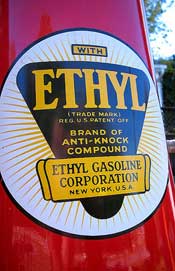
Ethyl Anti Knock Gas American Oil Gas Historical Society
During What Decade Did People Stop Using The Word Ethyl To Refer To Premium Gasoline Quora

Wayne 800 Old Gas Pumps Vintage Gas Pumps Gas Pumps

What Did We Call Premium Gas The 1947 Present Chevrolet Gmc Truck Message Board Network
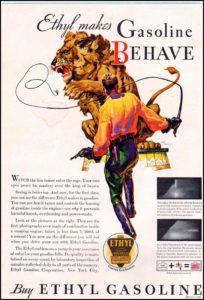
Ethyl Anti Knock Gas American Oil Gas Historical Society

Ethyl The 1920s Conflict Over Leaded Gasoline Alternative Fuels Prof Kovarik

Prepare Yourself Fracking World The Fracking Industry Has A Brand New Tune With Fracking Seeing A Lull In New Oil B Gas Pumps Vintage Gas Pumps Old Gas Pumps

This Item Is Unavailable Etsy Gas Pumps Vintage Gas Pumps Old Gas Pumps
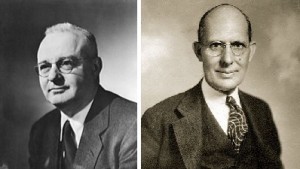
Ethyl Anti Knock Gas American Oil Gas Historical Society

1953 Ethyl Corporation Advertisement Ad Print Poster Sign Etsy Poster Prints Sign Magazine Vintage Ads
