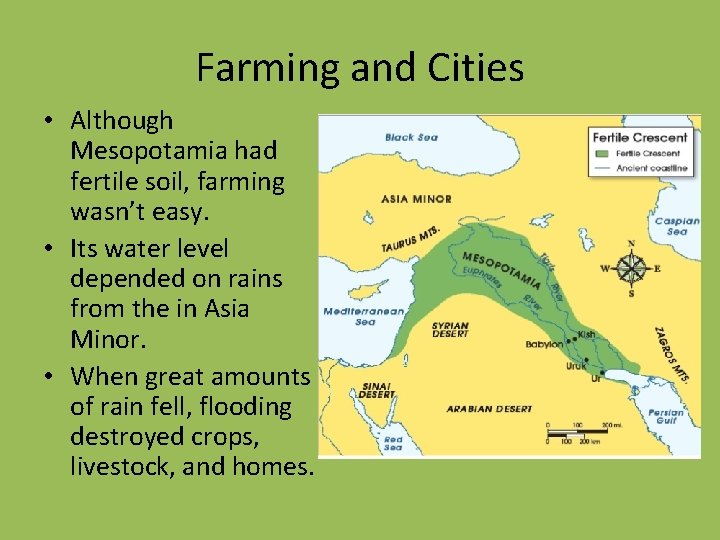
Mesopotamia has fertile soil and is between two rivers the Euprates and Tigris rivers. The land is quite fertile due to seasonal rains and the rivers and streams flowing from the mountains.
Mesopotamia
Beginning in the 1950s a series of large-scale irrigation projects diverted water away from the famed Mesopotamian marshes of the Tigris-Euphrates.

Why is mesopotamia soil so fertile. 485 22 Views. Irrigation and agriculture developed here because of the fertile soil found near these rivers. When the rivers flooded the surrounding land nutrients were deposited into the soil which made Mesopotamia very fertile.
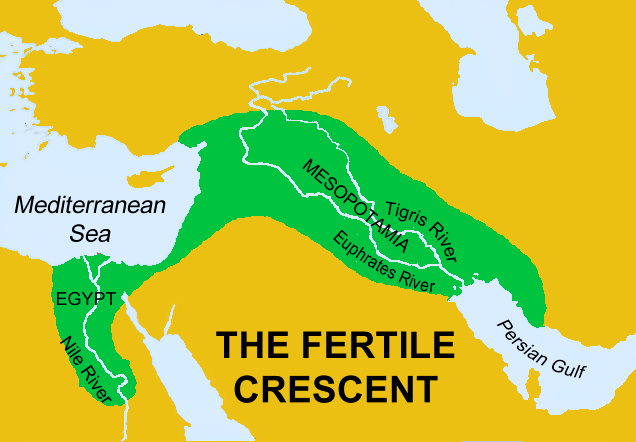
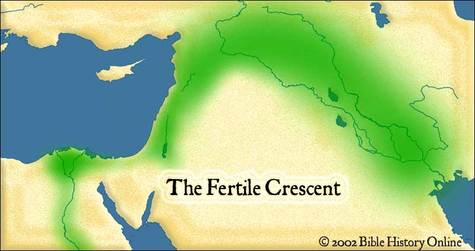
Known as the Cradle of Civilization the Fertile Crescent is regarded as the birthplace of agriculture urbanization writing trade science history and organized religion and was first populated c. Fertile soil was created in the Mesopotamia from the melted snow and rain that would flow down towards the land. The word Mesopotamia means land between the rivers Mesopotamia was the center of the Fertile Crescent an area known for its rich moist soil.
Irrigation and agriculture developed here because of the fertile soil found near these rivers. Every year floods on the rivers brought silt. Why was Mesopotamia so important to live in.
Because the climate of Mesopotamia was dry with little rainfall farmers depended on the flooding of the Tigris and Euphrates rivers for water for their crops. 10 Votes Named for its rich soils the Fertile Crescent often called the cradle of civilization is found in the Middle East. Keeping this in consideration Is the Fertile Crescent a desert.
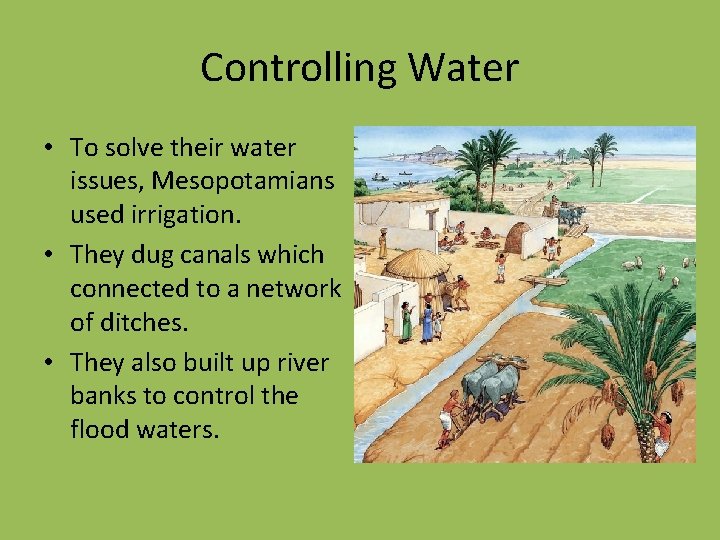
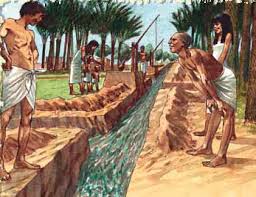
Early settlers had to irrigate the land along the banks of the rivers in order for their crops to grow. Mesopotamia means the land between the rivers The rivers referred to are the Tigris River and Euphrates River. The Tigris and Euphrates rivers provided water and ameans of transportation for the people who settled in the area.
Because of this regions relatively abundant access to water the earliest civilizations were established in the Fertile Crescent including the SumeriansIts area covers what are now southern Iraq Syria Lebanon Jordan Palestine Israel Egypt and parts of. Hunter-gatherer groups first settled in. The flooding in Mesopotamia brings silt which blends in with the soil.
10000 BCE when agriculture and the domestication of animals began in the region. Most of the soil in the region was salty and sandy and not suitable for farming. The fertile silt made the land ideal for farming.
Mesopotamia was located between the Tigres and Euphrates rivers. As the water spread over the floodplain the soil it carried settled on the land. When snow melted in the mountains there were yearly floods.
In fact the name means land between the rivers. The fine soil deposited by rivers is called silt. Ancient History Chapter 4 - The Fertile Crescent.
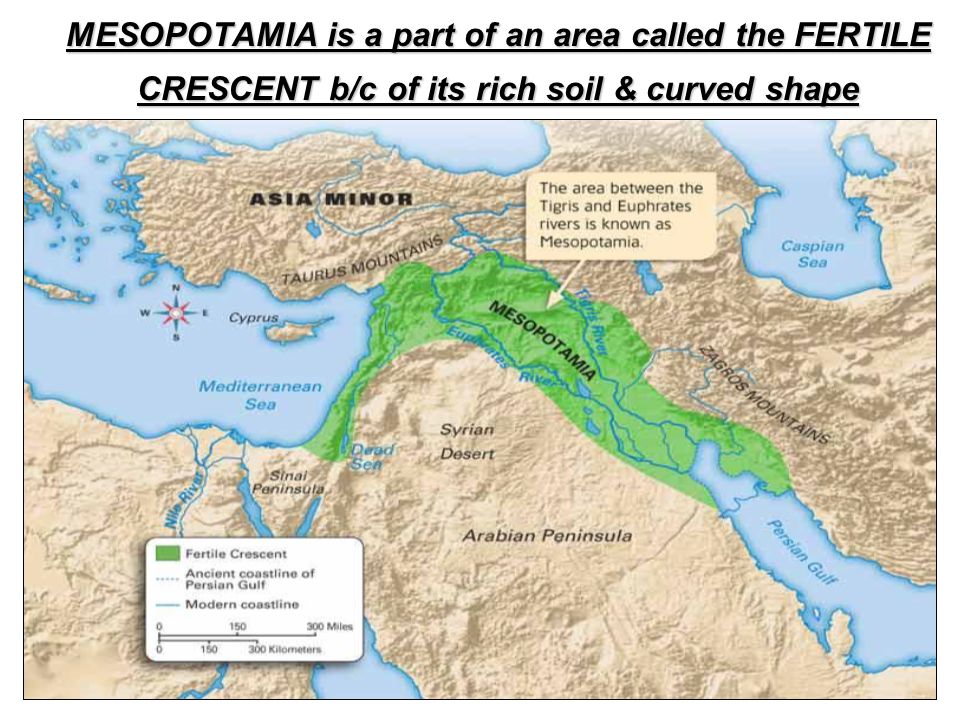
In what part of the world is the Fertile Crescent located. The floods brought silt which made the soil fertile. Mesopotamia part of the region known as the Fertile Crescent in Southwest Asia lay between the Tigris and Euphrates rivers.
After about 2000 years the once-fertile land of southern Mesopotamia was barren. This is why Mesopotamia is part of the fertile crescent an area of land in the Middle East that is rich in fertile soil and crescent-shaped. The floods in Mesopotamia improved the soil in the area allowing for more widespread agriculture.
Lower Mesopotamia is located the modern country of Iraq while Upper Mesopotamia is in Syria and TurkeyMesopotamia is considered the cradle or beginning of civilization. In Ancient Mesopotamia As salt-rich groundwater rose and surface water evaporated mineral salts built up in the soils. Today the Fertile Crescent is not so fertile.
Beginning in the 1950s a series of large-scale irrigation projects diverted water away from the famed Mesopotamian marshes of the Tigris-Euphrates river system causing them to dry up. It was and is a marsh near the gulf with fertile lands long the Tigris and Euphrates rivers. Also because of the rivers this area had arich supply of fish and waterfowl that could be used for food.
Mesopotamia wasnt a naturally lush fertile area unless you consider thick reed growth lush. Because there were many floods over there so when the flood break down the water will dissolve into the soil. The silt left behind from the flooding water made the soil fertile.
The floods deposited silt which made the land very fertile. Named for its rich soils the Fertile Crescent often called the cradle of civilization is found in the Middle East. The region around where the rivers flow is called Mesopotamia.
It is shaped like a quarter moon as it begins along the eastern shore of the Mediterranean arches northward and then curves down to the Persian Gulf. The effects geography had on Mesopotamia. So the soil at Mesopotamia is very fertile.
The most important crops in Mesopotamia were wheat and barley. The silt from the floods contained nutrients and minerals that helped crops to thrive. Why isnt the Fertile Crescent more fertile.
Why is the Fertile Crescent called a crescent. Why is the Fertile Crescent an important region in global history. Access to water helped with farming and trade routes.
Silt is fertile and good for growing crops. However the Sumerians invented irrigation which brought water to the otherwise barren lands between the rivers which required co-ordinated mass labor and. One reason why people settled here is because the soil is very fertile.
Why is the Middle East no longer fertile. This fertile land produced abundant crops. Today the Fertile Crescent is not so fertile.
The effects geography had on Mesopotamia. The land in this area was flat and fertile rich in nutrients. Mesopotamia has fertile soil and is between two rivers the Euprates and Tigris rivers.
Access to water helped with farming and trade routes. Named for its rich soils the Fertile Crescent often called the cradle of civilization is found in the Middle East. Northern Mesopotamia is made up of hills and plains.
Over time the people of the region were able to produce enough crops to feed themselves and trade the extra food they produced. Fertile soil was created in the Mesopotamia from the melted snow and rain that would flow down towards the land. Farmers switched to more salt-tolerant grains like barley but the harder they farmed the less they harvested.
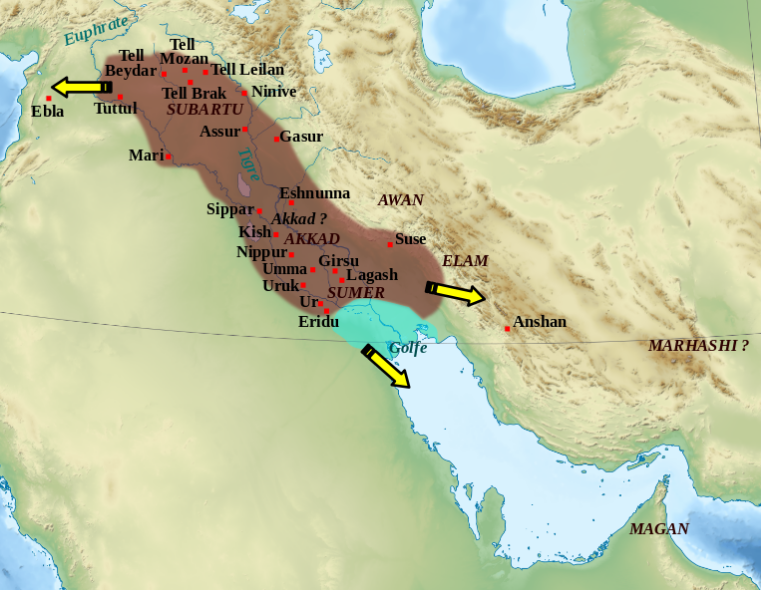
Ancient Mesopotamian Civilizations Article Khan Academy
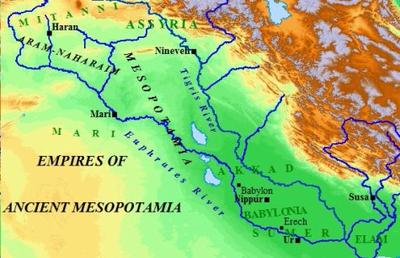
Ancient Mesopotamia Sutori
3 1 Notes Geography Of The Fertile Crescent
3 1 Notes Geography Of The Fertile Crescent
Mesopotamia Does Not Seem Very Fertile Today But Was It Truly Lush In Ancient Times Quora
Social Studies By Fostersh On Emaze
Mesopotamia Is A Part Of An Area Called The Fertile Crescent B C Of Its Rich Soil Curved Shape Ppt Download

Ancient Mesopotamin Geography
Where Is The Fertile Crescent Wonderopolis
Geography Mesopotamia
Mesopotamia Storyboard By Nathan2008

In Mesopotamia Early Cities May Have Faltered Before Climate Driven Collapse National Academy Of Sciences

Geography Of The Fertile Crescent Mesopotamia


Global 2 1 Flashcards Quizlet
Mesopotamia Does Not Seem Very Fertile Today But Was It Truly Lush In Ancient Times Quora
The Fertile Crescent Ck 12 Foundation


Fertile Crescent History
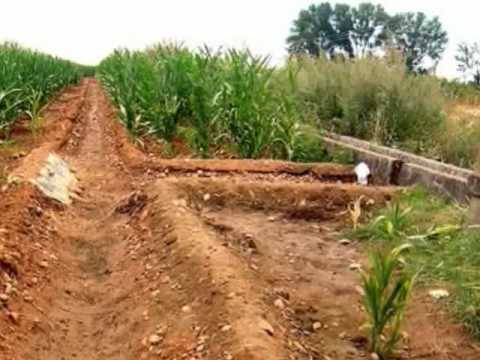
Challenges Irrigation And Agriculture Of Mesopotamia

What Led To The Fertile Soil Near Mesopotamia Study Com
